
How to Start a Pharma Export Business with Low Investment
- IT Department
- 11 minutes ago
- 6 min read

The pharmaceutical industry is one of India’s important export sectors, offering opportunities for manufacturers, marketers, distributors, and entrepreneurs interested in international trade. However, starting a pharma export business does not necessarily require setting up your own manufacturing plant. A low-investment approach can involve third-party manufacturing, contract manufacturing, merchant exporting, or sourcing products from compliant pharmaceutical manufacturers and selling them in selected international markets.

India’s pharmaceutical export ecosystem is supported by organizations such as the Pharmaceuticals Export Promotion Council of India (Pharmexcil), while drug-related regulatory matters involve authorities such as the Central Drugs Standard Control Organization (CDSCO). Regulations can vary considerably according to the product and destination country, so proper regulatory planning is essential.
Understand the Pharma Export Business Model
Before investing money, decide how you want to operate. For beginners, the following models can reduce infrastructure requirements:
Merchant Exporting
You purchase pharmaceutical products from an eligible manufacturer and export them under your business. This eliminates the need to establish your own manufacturing facility.
Third-Party Manufacturing
You work with a pharmaceutical manufacturer that produces products according to agreed specifications. This model can be suitable for entrepreneurs who want to develop their own product portfolio without owning a factory.
Contract Manufacturing
A manufacturing company produces products for your business under an agreed commercial and quality arrangement. Depending on the market, documentation, regulatory approvals, and product category, additional requirements may apply.
Private-Label Exporting
You can develop a brand portfolio and source products from an appropriate manufacturer. However, make sure the proposed brand, packaging, labeling, registrations, and claims comply with the destination country's regulations.
Select the Right Pharmaceutical Products
Product selection is one of the most important decisions when starting with limited capital.
Instead of launching hundreds of products, begin with a focused portfolio of approximately 5–15 products based on the target market.
Potential categories may include:
Tablets and capsules
Pharmaceutical syrups
Topical preparations
Nutraceutical products
Vitamins and minerals
Antibiotic products, where legally permitted
Dermatology products
Gastrointestinal products
Pain-management products
Ayurvedic or wellness products, subject to applicable regulations
Do not select products solely because they are popular in India. Research the registration requirements, market demand, competition, pricing, permitted ingredients, packaging requirements, and import regulations of the destination country.
Choose a Target Export Market
A common mistake among new exporters is trying to sell everywhere simultaneously.
Instead, choose one or two countries initially.
Research:
Population and healthcare demand
Existing pharmaceutical imports
Product registration requirements
Local competitors
Distributor networks
Import duties and taxes
Currency and payment risks
Local labeling requirements
Product approval timelines
Distribution channels
You should also determine whether your selected products require registration or approval from the importing country's regulatory authority.
For specialized products, regulatory requirements can be significantly more complex. For example, CDSCO currently provides specific procedures and permissions relating to certain export-oriented studies and products, demonstrating why exporters should verify the applicable regulatory pathway before accepting an order.
Complete the Necessary Business Registrations
An Indian exporter should establish an appropriate business structure and complete the applicable registrations before beginning commercial exports.
Depending on your business model and products, this may include:
Business registration
PAN
GST registration, where applicable
Current business bank account
Import Export Code (IEC)
Applicable drug manufacturing/wholesale/export-related licenses
Product-specific regulatory approvals
Export promotion council registration/RCMC, where applicable
Other customs and trade registrations
The exact requirements depend on whether you are manufacturing, merchant exporting, distributing, or exporting a particular category of pharmaceutical or healthcare product.
For regulatory matters, exporters should consult current CDSCO requirements and the relevant State Drug Control authority rather than relying on outdated checklists. CDSCO continues to issue updated notices and regulatory changes; for example, its 2026 updates include changes relating to export-oriented regulatory processes and pharmaceutical products.
Find a Reliable Pharmaceutical Manufacturer
If you are starting with low investment, partnering with an established manufacturer can reduce the capital required for manufacturing infrastructure.
Before selecting a supplier, evaluate:
Manufacturing licenses
GMP compliance
Quality-control systems
Product specifications
Certificate of Analysis (CoA)
Stability data, where applicable
Packaging capabilities
Batch consistency
Production capacity
Export experience
Regulatory documentation
Lead times
Minimum order quantities
Never choose a manufacturer only because it offers the lowest price. Quality, documentation, regulatory compliance, and consistency are particularly important in pharmaceutical exports.
Prepare an Export-Ready Product Portfolio
Create a professional product dossier for prospective buyers.
Depending on the product and destination market, your documentation package may include:
Product name and composition
Product specifications
Manufacturing information
Certificate of Analysis
Product images
Packaging details
Shelf life
Storage conditions
Batch information
Manufacturing license details
GMP-related documentation
Regulatory certificates
Product registration documents, where applicable
Keep digital copies organized so that you can respond quickly to international enquiries.
Build an International Buyer Network
Finding genuine buyers is one of the biggest challenges for new pharma exporters.
Potential channels include:
Pharmaceutical distributors
Importers
Wholesalers
Hospital suppliers
Pharmacy chains
Government procurement opportunities
B2B platforms
Trade exhibitions
Export promotion events
Direct email outreach
LinkedIn and professional networking
Pharmexcil provides resources such as trade enquiries, market information, RCMC services, export dashboards, and industry events that can be useful for businesses developing an export strategy.
Industry exhibitions can also provide direct networking opportunities. For example, IPHEX 2026 is scheduled for September 7–9, 2026, at Bharat Mandapam, New Delhi.
Keep Your Initial Investment Controlled
A low-investment pharma export business should focus on market validation before large inventory purchases.
Instead of investing heavily in stock, allocate your initial budget toward:
Business registrations and compliance
Product samples
Product documentation
Website and professional company profile
Buyer research
Digital marketing
International communication
Packaging and sample dispatch
Logistics planning
Working capital
Where commercially and legally appropriate, negotiate manageable minimum order quantities with manufacturers and avoid excessive inventory until you have established demand.
Understand Export Pricing
Your export price should account for more than the manufacturing cost.
A basic calculation can include:
Product Cost + Packaging + Documentation + Logistics + Insurance + Customs/Port Charges + Marketing Costs + Financial Costs + Profit Margin = Export Price
Also decide whether you are quoting on an EXW, FOB, CIF, or another agreed Incoterm. Clearly define who is responsible for freight, insurance, customs procedures, and other costs.
International transactions also carry currency and payment risks. New exporters should carefully evaluate buyer creditworthiness and consider safer payment structures where appropriate.
Pay Attention to Regulatory Changes
Pharmaceutical export regulations are not static. Requirements can change based on product category, destination market, and Indian regulations.
For example, CDSCO has issued several regulatory updates during 2026, including notices concerning export-related applications and pharmaceutical regulatory procedures.
Therefore, before shipping a product, verify:
Current Indian export requirements
Destination-country registration requirements
Product-specific restrictions
Labeling rules
Documentation requirements
Customs requirements
Applicable certificates
Current importer's license/authorization
For new drugs, biological products, specialized formulations, and other regulated categories, requirements can be considerably more extensive. CDSCO maintains dedicated regulatory information for areas such as new drugs and biological products.
Common Mistakes to Avoid
New pharmaceutical exporters should avoid:
Selecting products without market research
Working with unverified buyers
Ignoring destination-country registration requirements
Buying excessive inventory
Offering unrealistic prices
Using incomplete product documentation
Ignoring labeling regulations
Depending entirely on one buyer
Accepting risky payment terms
Choosing manufacturers solely on price
Making unsupported medical or promotional claims
A professional export business should prioritize compliance, documentation, quality, transparency, and long-term buyer relationships.
A Practical Low-Investment Roadmap
A simple roadmap can look like this:
Step 1: Select a business modelStep 2: Choose one target countryStep 3: Research product demand and regulationsStep 4: Complete applicable business and export registrationsStep 5: Identify reliable pharmaceutical manufacturersStep 6: Select a focused product portfolioStep 7: Prepare product and regulatory documentationStep 8: Create a professional export catalogue and websiteStep 9: Contact verified importers and distributorsStep 10: Send samples and negotiate commercial termsStep 11: Complete regulatory and shipping formalitiesStep 12: Start with smaller commercial orders and gradually expand
Bottom Line
Starting a pharma export business with low investment is possible when the entrepreneur focuses on smart sourcing, targeted markets, regulatory compliance, and controlled working capital rather than investing heavily in manufacturing infrastructure from day one. Third-party manufacturing and merchant-export models can provide practical entry routes, but pharmaceutical exports require careful attention to Indian and destination-country regulations. Entrepreneurs should verify current requirements with the relevant authorities before entering into contracts or shipping products.
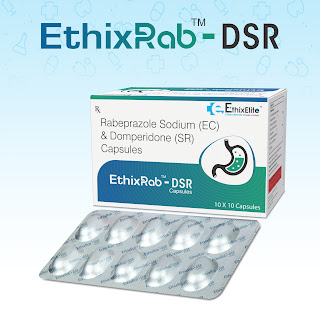
For businesses looking for a pharmaceutical manufacturing and export partner, EthixElite Lifesciences Private Limited can be considered as part of the vendor-evaluation process for pharmaceutical product sourcing and third-party manufacturing. A successful export venture ultimately depends on selecting the right products, maintaining quality, building reliable international buyer relationships, and following all applicable regulatory requirements.

Comments