
International PCD Pharma Franchise Partnership from India
- IT Department
- 22 minutes ago
- 5 min read

The Indian pharmaceutical industry has become an important source of medicines, formulations, and healthcare products for markets across the world. Alongside conventional pharmaceutical exports and third-party manufacturing, international PCD Pharma Franchise partnerships from India are gaining attention among distributors, wholesalers, pharmacy businesses, and healthcare entrepreneurs looking to develop a pharmaceutical portfolio in their respective markets.
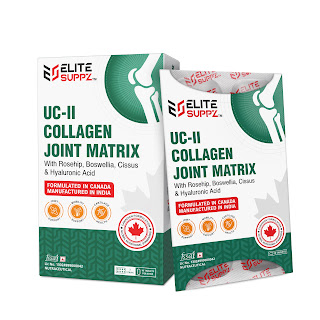
An international PCD Pharma Franchise model can provide a structured business opportunity in which a pharmaceutical company supplies products, promotional materials, and commercial support to a local partner, while the partner focuses on distribution, marketing, customer relationships, and market development. However, international expansion requires more than simply selecting products and placing an order. Regulatory compliance, product registration, documentation, quality standards, logistics, pricing, and local market requirements must all be evaluated carefully.
What Is an International PCD Pharma Franchise Partnership?
An international PCD Pharma Franchise partnership is a business arrangement between a pharmaceutical company based in India and a distributor or business partner operating in another country.
Depending on the agreement and local regulations, the Indian company may provide:
Pharmaceutical formulations and healthcare products
Product information and technical documentation
Product catalogues and promotional materials
Packaging and labelling support
Commercial and order-related assistance
Manufacturing or third-party manufacturing arrangements
Export documentation
Ongoing communication with the international business partner
The overseas partner may be responsible for obtaining applicable local approvals, registering products, developing distribution channels, promoting products within permitted regulations, and managing sales in the assigned territory.
Why Consider India for an International Pharma Partnership?
India has a large pharmaceutical manufacturing ecosystem, experienced formulation manufacturers, established supply chains, and a broad range of generic medicines and healthcare products. This makes Indian pharmaceutical companies potential partners for businesses seeking competitively positioned products for international markets.
Quality systems are particularly important in international pharmaceutical trade. WHO describes GMP as a quality-assurance system designed to ensure medicines are consistently produced and controlled according to appropriate quality standards. WHO also notes that many countries use WHO GMP principles as a basis for their own requirements.
India's regulatory infrastructure also provides information on manufacturing facilities associated with WHO-GMP certification and Certificates of Pharmaceutical Products (CoPP), making manufacturer verification an important part of international sourcing.
Key Benefits of an International PCD Partnership
1. Access to a Diverse Product Portfolio
Indian pharmaceutical companies can offer portfolios covering multiple therapeutic categories, dosage forms, and healthcare segments. Depending on the manufacturer's capabilities and regulatory approvals, an international partner may explore tablets, capsules, syrups, dry syrups, topical preparations, nutritional products, and other formulations.
The product selection should always be based on the target country's registration requirements and actual market demand.
2. Opportunity to Build a Local Distribution Business
An overseas distributor can use a PCD-style partnership to establish a dedicated pharmaceutical portfolio instead of sourcing individual products from multiple suppliers. A focused portfolio can make inventory management, branding, promotion, and customer development more organized.
3. Flexible Business Models
International partnerships can potentially be structured around different commercial arrangements, such as territory-based distribution, product-specific distribution, private-label arrangements, or contract/third-party manufacturing, subject to applicable laws and agreements.
4. Quality and Documentation Focus
International pharmaceutical buyers increasingly evaluate manufacturers based on documentation, manufacturing standards, quality-control systems, product specifications, and regulatory history. WHO guidance emphasizes that pharmaceutical quality must be built into manufacturing processes rather than relying solely on finished-product testing.
How to Start an International PCD Pharma Franchise Partnership
Step 1: Identify the Target Country
Begin by selecting the country or region where you want to establish the business. Study:
Population and healthcare demand
Major therapeutic categories
Existing pharmaceutical competition
Local pricing environment
Import requirements
Product registration procedures
Distribution channels
Prescription and OTC classifications
Packaging and language requirements
A product that performs well in India may not automatically be suitable for another country.
Step 2: Understand Local Regulatory Requirements
This is one of the most important stages of international pharmaceutical business.
Before finalizing products, determine which authority regulates medicines in the target country and what documentation is required. Requirements may include marketing authorization, product registration, manufacturing certificates, Certificates of Analysis, stability data, GMP documentation, product dossiers, labels, artwork, free-sale documentation, or other country-specific documents.
Do not assume that an Indian approval automatically permits the product to be sold overseas.
Step 3: Select a Reliable Indian Pharmaceutical Partner
Evaluate the prospective manufacturer carefully. Important factors include:
Manufacturing authorization and applicable licenses
GMP status and relevant certifications
Quality-control infrastructure
Manufacturing capacity
Product portfolio
Regulatory documentation
Export experience
Packaging capabilities
Batch traceability
Complaint-handling procedures
Supply consistency
The WHO states that licensed pharmaceutical products should be manufactured by licensed manufacturers whose activities are subject to inspection by competent authorities.
Step 4: Shortlist Products According to Market Demand
Avoid selecting a large number of products simply because they are available. Instead, create a focused portfolio based on the target market.
For example, a distributor could initially evaluate products from therapeutic segments such as:
Gastrointestinal care
Anti-infective medicines
Allergy and respiratory care
Pain management
Nutritional products
Dermatology
Cardiovascular care
Vitamins and minerals
The final portfolio must be determined according to local registration, prescription, importation, and marketing requirements.
Step 5: Review Commercial Terms
Before entering into an agreement, both parties should clearly discuss:
Minimum order quantities
Product pricing
Payment terms
Territory
Distribution rights
Branding requirements
Registration responsibilities
Shipping terms
Lead times
Packaging requirements
Product expiry requirements
Promotional support
Renewal and termination conditions
A written agreement can reduce misunderstandings and clarify responsibilities.
Documentation: A Critical Part of International Pharma Business
Documentation is often as important as the product itself. Depending on the destination market, the importer or regulatory authority may request several technical and commercial documents.
Potential documents may include:
Manufacturing license
GMP certificate
Certificate of Pharmaceutical Product (CoPP), where applicable
Certificate of Analysis
Product specifications
Product composition
Stability information
Packaging and labelling details
Product registration documents
Commercial invoice
Packing list
Shipping documents
Certificate of Origin
Other country-specific regulatory documents
The exact documentation varies by country and product category, so businesses should confirm requirements with the destination country's competent regulatory authority before placing commercial orders.
Quality Assurance and GMP
Quality assurance should remain a central consideration when selecting an Indian pharmaceutical partner. WHO's current quality guidance covers areas including quality management, production, quality control, inspections, and pharmaceutical manufacturing practices.
For international partnerships, businesses should not evaluate a supplier only on price. A stronger assessment considers manufacturing standards, quality systems, documentation, consistency, regulatory readiness, and supply reliability.
For products requiring sterile manufacturing or other specialized processes, additional requirements may apply. WHO has specific GMP guidance for sterile pharmaceutical products, reflecting the higher controls associated with these manufacturing environments.
Practical Checklist for International Buyers
Before finalizing an international PCD Pharma Franchise partnership, consider the following checklist:
✔ Verify the manufacturer's licenses and applicable certifications.
✔ Confirm product registration requirements in the destination country.
✔ Review product documentation before placing a large order.
✔ Evaluate MOQ, pricing, lead time, and payment conditions.
✔ Clarify territory and distribution rights in writing.
✔ Confirm packaging, labelling, and language requirements.
✔ Assess shipping, storage, and import procedures.
✔ Prepare a realistic sales and distribution plan.
✔ Ensure promotional content follows local pharmaceutical regulations.
✔ Start with a focused product portfolio and scale according to market response.
Bottom Line
An International PCD Pharma Franchise Partnership from India can be a structured route for distributors and healthcare entrepreneurs seeking pharmaceutical sourcing opportunities. Success depends on selecting appropriate products, working with a credible manufacturing partner, understanding destination-country regulations, maintaining strong documentation, and developing an effective distribution strategy. Quality should remain a fundamental consideration throughout the supply chain, while commercial agreements should clearly define the responsibilities of both parties.
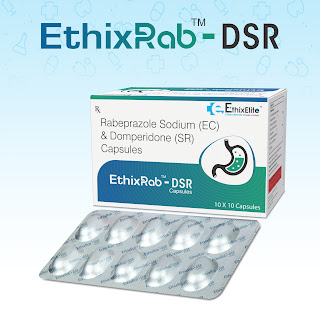
For businesses exploring pharmaceutical distribution, manufacturing, and international partnership opportunities, EthixElite Lifesciences Private Limited can be considered as an Indian pharmaceutical company for evaluating PCD Pharma Franchise and third-party manufacturing opportunities. Prospective international partners should conduct appropriate regulatory, commercial, and quality due diligence and verify all destination-market requirements before entering into a partnership.


Comments