
Boost Your Business with a Reliable Third-Party Manufacturing Company
- IT Department
- Sep 22, 2025
- 4 min read

The pharmaceutical industry in India has witnessed exponential growth over the past few decades. With the increasing demand for high-quality medicines, nutraceuticals, and herbal products, businesses are continuously exploring opportunities to expand their product portfolios while minimizing operational costs. One of the most effective strategies to achieve this is collaborating with a third-party manufacturing company.
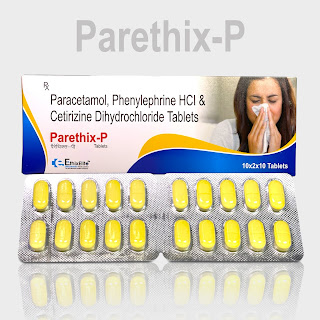
Third-party manufacturing, also known as contract manufacturing, allows companies to outsource the production of their pharmaceutical products to specialized manufacturers. This not only ensures cost-efficiency but also guarantees high-quality standards, compliance with regulations, and timely delivery. For businesses aiming to strengthen their market presence without bearing the entire manufacturing burden, third-party manufacturing is a game-changer.
What is Third-Party Manufacturing?
Third-party manufacturing refers to the process where a company hires another manufacturing unit to produce its goods under the hiring company’s brand name. The concept has gained momentum in the pharmaceutical industry due to its multiple advantages such as cost-saving, better quality assurance, and scalability.
For example, a small or mid-sized pharma company can market products under its own brand without setting up an expensive manufacturing facility. Instead, they rely on a WHO-GMP certified third-party manufacturer to handle production.
Why Choose Third-Party Manufacturing for Your Pharma Business?
1. Cost Efficiency
Setting up a pharmaceutical manufacturing plant requires massive investments in infrastructure, machinery, workforce, and compliance certifications. By outsourcing production, businesses can save significantly on these overheads and focus their resources on marketing, sales, and distribution.
2. High-Quality Standards
Reputable third-party manufacturers follow stringent quality control measures and comply with certifications such as WHO-GMP, ISO, and GLP. This ensures that products manufactured meet both domestic and international quality benchmarks.
3. Expertise and Innovation
Manufacturers often have specialized R&D teams that help develop innovative formulations, combinations, and dosage forms. This helps businesses expand their product line and stay competitive in the market.
4. Time-Saving and Increased Productivity
With manufacturing outsourced, companies can concentrate on building their brand, marketing strategies, and customer relationships, thereby saving time and enhancing productivity.
5. Scalability and Flexibility
Third-party manufacturers can easily increase or decrease production levels based on client requirements. This flexibility is crucial for businesses facing fluctuating demand.
Key Benefits of Partnering with a Reliable Third-Party Manufacturer
Regulatory Compliance Reliable manufacturers adhere strictly to government regulations and international standards, minimizing the risk of compliance-related issues.
Wide Product Range From tablets, capsules, syrups, injections, powders, and herbal formulations, third-party manufacturers provide a broad portfolio that businesses can leverage.
Brand Building Support Many third-party manufacturers also assist in packaging design, labeling, and branding, helping companies establish a strong identity in the market.
Reduced Risk Outsourcing production reduces the risks associated with running a manufacturing unit, including machine breakdowns, labor strikes, or raw material shortages.
Factors to Consider When Choosing a Third-Party Manufacturing Company
Selecting the right partner is crucial for long-term success. Here are some key factors to evaluate:
1. Certifications and Compliance
Ensure the manufacturer is certified by WHO-GMP, ISO, and DCGI. This guarantees credibility and product safety.
2. Production Capacity
The manufacturer should be able to meet both small and large-scale demands. Flexibility in production ensures uninterrupted supply.
3. Quality Assurance
Check if the company follows stringent quality control protocols at every stage—procurement of raw materials, processing, and final packaging.
4. Reputation and Market Presence
Research the company’s history, client feedback, and overall reputation in the market before signing a contract.
5. Timely Delivery
Delays in product delivery can affect your brand’s reputation. Choose a manufacturer known for punctuality and reliable logistics.
6. R&D Capabilities
If you are planning to introduce innovative products, opt for a company with a strong R&D department that can assist in formulation and product development.
How Third-Party Manufacturing Boosts Business Growth
Enables Quick Market Entry Companies can launch their products faster without waiting for manufacturing facilities to be built.
Expands Business Reach With an extensive product portfolio, businesses can cater to wider markets and customer needs.
Enhances Profit Margins Since capital investment is reduced, businesses can allocate more budget to sales and marketing, increasing profitability.
Focus on Core Strengths Marketing, distribution, and branding are the strengths of many pharma companies. Outsourcing production allows them to focus on these areas effectively.
Encourages Collaboration and Networking Partnering with reliable manufacturers opens doors for long-term collaborations, joint ventures, and market expansions.
Challenges in Third-Party Manufacturing
While there are multiple benefits, businesses should also be aware of potential challenges:
Dependency on Manufacturers: If the manufacturer fails to deliver on time, your business could face supply shortages.
Lack of Control: Since production is outsourced, direct supervision may be limited.
Confidentiality Risks: There’s a risk of sensitive product formulations being exposed.
These challenges can be minimized by signing proper legal agreements and working only with reputed manufacturers.
Future of Third-Party Manufacturing in India
India’s pharmaceutical industry is projected to reach US$ 130 billion by 2030 (IBEF, 2023). With the increasing demand for affordable and high-quality medicines worldwide, third-party manufacturing will play a vital role in driving this growth.
Global recognition of Indian pharma expertise, cost competitiveness, and large-scale manufacturing capacities make India a preferred hub for third-party production. Many companies, both domestic and international, are expected to increase partnerships with Indian manufacturers to strengthen their global presence.
Bottom Line
Third-party manufacturing has revolutionized the pharmaceutical industry by offering cost-effective, high-quality, and scalable solutions. For businesses looking to expand quickly, minimize risks, and focus on brand building, outsourcing production is a strategic move. The key lies in choosing a reliable, experienced, and certified third-party manufacturing partner who can ensure consistent quality and timely delivery.
If you are planning to boost your pharmaceutical business through third-party manufacturing, partnering with a trusted name in the industry can make all the difference. One such reliable partner is EthixElite Lifesciences Private Limited, known for its commitment to quality, innovation, and customer satisfaction.


Comments