
How to Start a Pharma Manufacturing Unit in India
- IT Department
- Jul 7, 2025
- 4 min read

India is one of the largest providers of generic medicines globally, and the Indian pharmaceutical industry has become a global force known for cost-effective and high-quality production. The country ranks third in terms of pharmaceutical production by volume and fourteenth by value. With favorable government policies, an expanding market, and global demand, starting a pharmaceutical manufacturing unit in India is a lucrative and rewarding venture.

This article provides a comprehensive guide on how to start a pharma manufacturing unit in India — covering legal procedures, documentation, infrastructure, investments, and more.
1. Understanding the Pharma Market in India
India's pharmaceutical industry is expected to grow to USD 130 billion by 2030 (Source: Invest India). This surge is driven by:
Rising healthcare needs
Growing middle-class population
Expanding insurance coverage
Government schemes like Ayushman Bharat and Production Linked Incentive (PLI) scheme
Understanding these market dynamics will help you choose the right segment: allopathic, ayurvedic, herbal, nutraceuticals, veterinary, or biopharma.
2. Decide on the Type of Manufacturing
The pharmaceutical sector allows you to choose from the following types of manufacturing setups:
Formulations (Finished Dosage Forms): Tablets, Capsules, Syrups, Injectables, Ointments
Bulk Drugs / APIs (Active Pharmaceutical Ingredients)
Ayurvedic and Herbal Products
Nutraceuticals / Dietary Supplements
Cosmeceuticals
Contract / Third-Party Manufacturing Unit
Choose based on your investment capacity, target market, and technical expertise.
3. Key Requirements to Start a Pharma Manufacturing Unit
Before diving into the licensing and paperwork, you must ensure the following are in place:
a. Infrastructure Requirements
Land & Building: Minimum space of 1000 to 3000 sq. ft., depending on the product range
Location: Preferably in an industrial zone with pollution clearance
Design: As per Schedule M (Good Manufacturing Practices - GMP) norms
Utilities: Water supply, HVAC (Heating, Ventilation & Air Conditioning), Power backup, Effluent Treatment
b. Technical Staff
As per Drug and Cosmetics Act, 1940, minimum staff requirements include:
Production Head: B. Pharm/M. Pharm with experience
Quality Control Analyst: Science graduate with chemistry background
Microbiologist: For sterile or sensitive products
4. Licenses and Approvals Required
Here is a step-by-step breakdown of regulatory approvals needed:
a. Company Registration
Register your business as one of the following entities:
Proprietorship
Partnership
LLP (Limited Liability Partnership)
Pvt. Ltd. Company (preferred for pharma)
Register with Ministry of Corporate Affairs (MCA) and get a CIN (Corporate Identification Number).
b. Drug Manufacturing License
Obtain from the State Drug Control Department:
Form 25: For allopathic drugs (non-schedule C & C1)
Form 28: For Schedule C & C1 drugs (injections, vaccines)
Form 32: For Ayurvedic medicines
Form 25-D: For cosmetics
Prerequisites:
Premises and layout plan approval
Plant and machinery setup
Technical staff details
Product list and formulation
GMP-compliance infrastructure
c. GMP & WHO Certification
Mandatory for local, and especially export-oriented units.
GMP (Good Manufacturing Practices): From CDSCO or State FDCA
WHO-GMP Certification: For credibility in international markets
d. Environmental Clearance
For effluent discharge and air pollution control from State Pollution Control Board (SPCB)
e. Factory License
Under Factories Act, 1948, from Chief Inspector of Factories
f. Fire Safety Certificate
From local fire department
g. Trademark & FSSAI (if applicable)
Trademark: For brand protection
FSSAI: If manufacturing nutraceuticals or food-based products
5. Documentation Checklist
You’ll need the following documents for a pharma manufacturing unit:
Company registration certificate
Site master file and layout plan
Detailed project report
Affidavit for non-conviction of directors
List of machinery and equipment
Copies of qualification and experience of staff
Product list and formulations
Ownership/rent agreement for premises
Pollution NOC
GMP certificate (if available)
6. Investment Required
The total cost depends on the product type and scale. Here’s a basic estimate:
Type | Estimated Investment |
Small-scale (general tablets, capsules) | ₹30 – ₹50 lakhs |
Medium-scale | ₹50 lakhs – ₹1.5 crores |
Large-scale (injections, APIs) | ₹2 crores and above |
These figures cover:
Land & building (owned/rented)
Machinery & equipment
Staff salaries
Licensing & documentation
Raw materials & utilities
7. Machinery and Equipment
Machinery varies based on the type of formulation. Some examples:
Tablet Manufacturing: Tablet compression machine, coating pan, granulator
Liquid Syrups: Mixing tanks, filtration, bottling, labeling machines
Capsules: Capsule filling and polishing machines
Packaging: Blister packing, strip packing, shrink wrapping
Buy from GMP-certified equipment manufacturers.
8. Quality Control & Compliance
Set up Quality Control (QC) and Quality Assurance (QA) departments. Implement SOPs (Standard Operating Procedures) and documentation systems including:
Batch Manufacturing Records (BMR)
Batch Packing Records (BPR)
Stability studies
In-house testing labs
Raw material testing protocols
You must adhere to Schedule M guidelines and subject yourself to regular audits by Drug Inspectors.
9. Product Registration & Marketing
Once the unit is licensed:
Register each product with Drug Controller
Design branding, packaging, and labeling
Apply for barcodes if exporting
Market your products via:
PCD Pharma Franchise model
Direct medical representative network
Online B2B portals
Third-party manufacturing
10. Export Opportunities
India exports pharmaceuticals to over 200 countries, with top markets including the US, Africa,
and the EU. For exports:
Get Import Export Code (IEC) from DGFT
Comply with the receiving country’s regulatory bodies like USFDA, TGA, EUGMP, etc.
WHO-GMP and Certificate of Pharmaceutical Product (COPP) is mandatory
Exporting can significantly increase profit margins.
11. Government Support and Subsidies
The Indian government offers several schemes and benefits:
PLI Scheme for bulk drugs and APIs
Subsidies for plant setup in Pharma Parks (like Baddi, Hyderabad, Sikkim)
MSME Benefits: Tax exemptions, lower-interest loans, marketing support
Technology Upgradation Fund (TUF)
12. Challenges to Watch For
Regulatory compliance burden
Skilled manpower shortage
High initial investment
Product pricing pressure
Constant need for R&D
However, with a solid foundation and expert guidance, these can be managed efficiently.
Bottom Line
Starting a pharmaceutical manufacturing unit in India is a promising business opportunity that combines profitability with social impact. The process involves regulatory know-how, significant planning, and technical infrastructure — but the growing demand for quality healthcare makes it a venture worth investing in. Whether you’re entering as a first-time entrepreneur or an industry expert, proper execution is key.
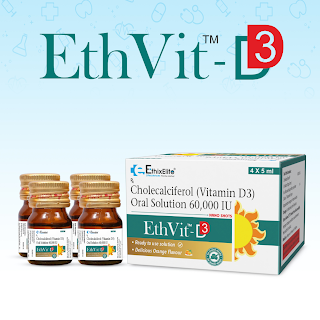
For those looking to outsource or enter pharma manufacturing without setting up from scratch, working with a reputed third-party manufacturer is a smart choice. EthixElite Lifesciences Private Limited is a trusted name in the Indian pharmaceutical landscape, offering WHO-GMP certified manufacturing services, quality-assured product development, and PCD pharma franchise opportunities. Whether you're planning your own brand or exploring contract manufacturing, EthixElite can be your partner in growth.


Comments