
Complete Guide to Pharmaceutical Product Export from India
- IT Department
- 2 hours ago
- 5 min read

India has emerged as one of the world's largest suppliers of pharmaceutical products, earning the title of the "Pharmacy of the World." The Indian pharmaceutical industry plays a critical role in global healthcare by supplying affordable and high-quality medicines to more than 200 countries and territories. With strong manufacturing capabilities, WHO-GMP-certified facilities, and a robust regulatory framework, India has become a preferred destination for pharmaceutical exports.
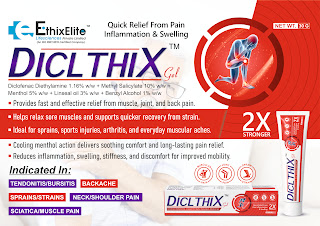
The pharmaceutical export sector offers immense opportunities for manufacturers, exporters, distributors, and healthcare entrepreneurs. Whether you are a pharmaceutical company planning to enter international markets or an entrepreneur looking to expand your business globally, understanding the export process is essential.
This comprehensive guide covers everything you need to know about pharmaceutical product export from India, including regulations, documentation, licensing, registration requirements, market opportunities, challenges, and strategies for success.
Why India is a Global Pharmaceutical Export Hub
India is recognized worldwide for its pharmaceutical manufacturing excellence. Several factors contribute to its dominance in the global pharmaceutical export market:
1. Cost-Effective Manufacturing
Indian pharmaceutical companies can produce medicines at significantly lower costs compared to many developed nations without compromising quality standards.
2. Strong Regulatory Compliance
Many Indian manufacturing facilities are approved by international regulatory authorities such as:
WHO-GMP
US FDA
UK MHRA
TGA Australia
Health Canada
EU GMP
3. Large Product Portfolio
India exports:
Generic medicines
Branded formulations
APIs (Active Pharmaceutical Ingredients)
Vaccines
Nutraceuticals
Herbal and Ayurvedic products
Injectables
Oncology medicines
Ophthalmic products
4. Global Trust
Indian pharmaceutical products are trusted due to their quality, efficacy, and affordability.
Pharmaceutical Export Market Opportunities
The global pharmaceutical market continues to grow rapidly due to:
Rising healthcare expenditure
Aging populations
Increased prevalence of chronic diseases
Demand for affordable generic medicines
Expanding healthcare access in developing countries
Major export destinations for Indian pharmaceutical products include:
United States
United Kingdom
Germany
South Africa
Nigeria
Kenya
Vietnam
Philippines
Nepal
Sri Lanka
Bangladesh
Latin American countries
CIS countries
Middle Eastern nations
Types of Pharmaceutical Products Exported from India
Generic Medicines
Generic drugs represent the largest share of India's pharmaceutical exports due to their affordability and therapeutic equivalence.
Active Pharmaceutical Ingredients (APIs)
India is among the leading suppliers of APIs worldwide.
Nutraceuticals
Growing health awareness has increased demand for:
Multivitamins
Protein supplements
Herbal supplements
Immune boosters
Ayurvedic and Herbal Products
Traditional Indian medicine has gained global popularity due to increasing demand for natural healthcare solutions.
Vaccines
India supplies vaccines to numerous countries through government and private healthcare programs.
Regulatory Requirements for Pharmaceutical Export
Exporting pharmaceutical products requires compliance with Indian and importing country regulations.
Import Export Code (IEC)
An IEC issued by the Directorate General of Foreign Trade (DGFT) is mandatory for export activities.
Importance of IEC
Enables international trade
Required for customs clearance
Necessary for receiving foreign payments
Drug Manufacturing License
The exporter must possess a valid manufacturing license issued by the State Drug Control Authority.
If products are manufactured through third-party manufacturing arrangements, proper agreements and licenses must be maintained.
WHO-GMP Certification
Many countries require WHO-GMP certification as proof of quality manufacturing practices.
Benefits include:
International credibility
Easier market entry
Enhanced customer confidence
Certificate of Pharmaceutical Product (COPP)
A COPP is often required for product registration in foreign markets.
The certificate confirms that:
The product is approved for sale in India.
It is manufactured according to GMP standards.
The manufacturing facility complies with regulatory requirements.
Product Registration Requirements
Before exporting medicines, products often need registration in the destination country.
Registration May Require:
Product dossier
Manufacturing license
COPP
Stability data
Analytical reports
Packaging information
Labeling details
Clinical data (if required)
Each country has unique registration requirements.
Essential Documents Required for Pharmaceutical Export
The following documents are generally required:
Business Documents
Import Export Code (IEC)
GST Registration
PAN Card
Company Incorporation Certificate
Export Documentation
Commercial Invoice
Packing List
Shipping Bill
Bill of Lading/Airway Bill
Certificate of Origin
Insurance Certificate
Pharmaceutical Documents
Drug License
COPP
WHO-GMP Certificate
Product Registration Certificate
Batch Manufacturing Records
Certificate of Analysis (COA)
Step-by-Step Process of Pharmaceutical Product Export
Step 1: Market Research
Identify countries with demand for your products.
Evaluate:
Regulatory requirements
Competition
Pricing
Import regulations
Market size
Step 2: Product Selection
Choose products with strong demand and export potential.
Popular categories include:
Anti-infectives
Cardiovascular medicines
Diabetes medicines
Nutraceuticals
Herbal products
Dermatology products
Step 3: Regulatory Compliance
Ensure all manufacturing and quality certifications are in place.
Step 4: Product Registration
Register products in target countries where required.
Step 5: Identify Buyers
Potential buyers include:
Pharmaceutical distributors
Government procurement agencies
Hospitals
Chain pharmacies
Importers
Healthcare organizations
Step 6: Negotiate Export Terms
Discuss:
Pricing
Payment terms
Shipping methods
Delivery schedules
Product specifications
Step 7: Manufacture and Quality Testing
Manufacture products according to approved specifications and conduct quality testing.
Step 8: Packaging and Labeling
Ensure packaging complies with destination country requirements.
Include:
Product name
Batch number
Manufacturing date
Expiry date
Storage instructions
Manufacturer details
Step 9: Shipment and Customs Clearance
Arrange transportation via:
Air freight
Sea freight
Complete customs documentation for smooth export clearance.
Quality Assurance in Pharmaceutical Export
Quality remains the most critical factor in pharmaceutical exports.
Key Quality Practices
GMP compliance
Regular audits
Validation processes
Stability testing
Batch traceability
Pharmacovigilance systems
Maintaining high quality standards enhances brand reputation and supports long-term international growth.
Common Challenges in Pharmaceutical Export
Regulatory Complexity
Each country has unique regulations and registration requirements.
Solution
Work with regulatory consultants and local partners.
Documentation Errors
Incomplete documentation may delay shipments.
Solution
Maintain a standardized documentation process.
Product Registration Delays
Registration approvals can take several months.
Solution
Plan registrations well in advance.
Currency Fluctuations
Exchange rate volatility can impact profitability.
Solution
Use hedging strategies and negotiate stable payment terms.
Government Support for Pharmaceutical Exporters
The Government of India supports exporters through various initiatives.
Benefits Include
Export promotion schemes
Trade fairs
Market development assistance
Export incentives
International buyer-seller meets
These initiatives help Indian pharmaceutical companies expand globally.
Tips for Building a Successful Pharmaceutical Export Business
Focus on Quality
Quality is the foundation of international success.
Develop Strong Partnerships
Build long-term relationships with:
Importers
Distributors
Regulatory consultants
Logistics providers
Invest in Regulatory Expertise
Understanding international regulations can significantly accelerate market entry.
Diversify Markets
Avoid dependence on a single country by expanding into multiple international markets.
Embrace Digital Marketing
Promote your products through:
Professional websites
B2B platforms
Trade directories
Industry exhibitions
Future of Pharmaceutical Exports from India
The future of pharmaceutical exports from India is exceptionally promising. Growing demand for affordable medicines, expanding healthcare infrastructure worldwide, and increasing acceptance of Indian pharmaceutical products continue to create new opportunities.
Emerging areas expected to drive future growth include:
Biosimilars
Specialty medicines
Vaccines
Oncology products
Nutraceuticals
Ayurvedic formulations
Advanced drug delivery systems
Indian pharmaceutical exporters that prioritize quality, compliance, innovation, and customer satisfaction will be well-positioned to capture larger shares of the global healthcare market.
Bottom Line
Pharmaceutical product export from India represents a significant opportunity for manufacturers and healthcare businesses seeking global expansion. By obtaining the necessary licenses, maintaining international quality standards, understanding regulatory requirements, and building strong distribution networks, exporters can successfully enter and thrive in international markets. With India's reputation as a trusted pharmaceutical supplier continuing to grow, now is an excellent time for companies to explore and expand their pharmaceutical export operations worldwide.
EthixElite Lifesciences Private Limited is committed to delivering high-quality pharmaceutical, nutraceutical, and healthcare products through advanced manufacturing standards, regulatory compliance, and customer-focused business practices. The company actively supports domestic and international partners with reliable pharmaceutical solutions, third-party manufacturing services, PCD Pharma Franchise opportunities, and export-oriented healthcare products designed to meet global quality expectations.


Comments